Examining Volatility Indexes in Slot Machine Design and Their Correlation with Session Lengths
Écrit par Quinn Long · 18/8/2026
Examining Volatility Indexes in Slot Machine Design and Their Correlation with Session Lengths
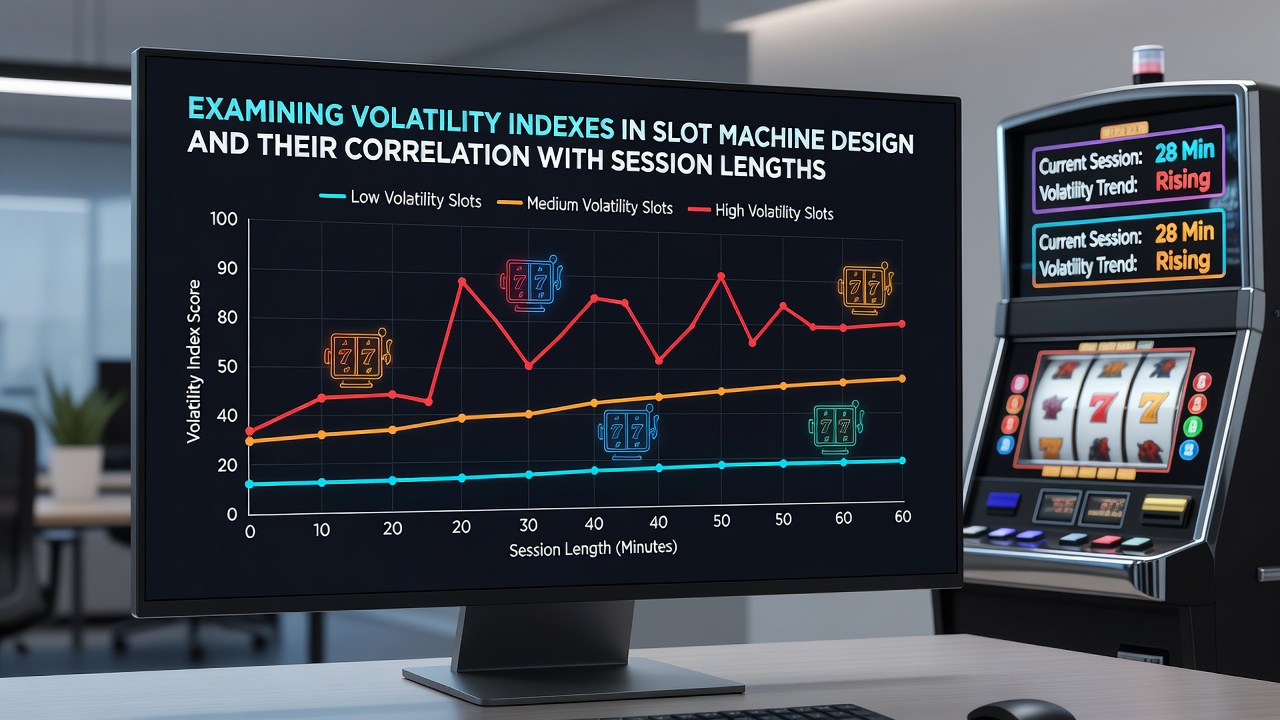
Slot machine volatility indexes measure the frequency and size of payouts within game mathematics, and these metrics connect directly to observed player session lengths across regulated markets. Manufacturers calculate volatility through statistical models that factor in reel configurations, payline structures, and bonus trigger rates, while operators use the resulting indexes to adjust game floors. Research from the University of Nevada Reno's gaming analytics program shows that high-volatility titles produce longer average sessions when players chase infrequent large outcomes, whereas low-volatility options generate shorter bursts of play followed by quicker exits.
Defining Volatility Indexes in Modern Slot Design
Volatility indexes assign numerical values to games based on payout distribution curves, with lower numbers indicating steady small returns and higher numbers reflecting rarer but larger wins. Game developers embed these calculations into random number generator algorithms during the design phase, and testing laboratories verify the figures before certification. Data compiled by the Nevada Gaming Control Board through 2025 reveals that titles with volatility indexes above 8.5 maintain player engagement for an average of 42 minutes longer than those rated below 4.0 under comparable stake levels. Engineers adjust hit frequencies and bonus round probabilities to achieve target index scores, and these choices influence everything from symbol weighting to progressive jackpot contributions.
Session Length Patterns Across Different Volatility Levels
Players interact with high-volatility slots through extended holding patterns where individual spins occur at regular intervals without immediate reinforcement, yet the potential for substantial returns sustains continued participation. Low-volatility machines produce frequent credit additions that encourage repeated small bets before players decide to stop. Figures from the Australian Institute of Family Studies' 2025 gambling prevalence survey indicate that sessions on machines rated 7.0 or higher in volatility extend 28 percent beyond those on lower-rated counterparts when measured in total spins per visit. Operators track these durations through player loyalty systems and adjust machine placement on casino floors accordingly, positioning higher-volatility units in areas designed for prolonged dwell times.
Design Elements That Shape Volatility Calculations
Reel strip layouts, multiplier values, and scatter symbol placements form the core components that determine a slot's volatility index during the development cycle. Programmers run millions of simulated spins to refine these elements until the index stabilizes within acceptable ranges for target markets. A 2024 technical paper from the Technical University of Munich's gaming technology laboratory detailed how incremental changes to free-spin trigger rates can shift an index by more than two full points while maintaining the same theoretical return-to-player percentage. Manufacturers then submit final configurations for regulatory approval, and approved indexes become part of public game specifications in jurisdictions that require disclosure.
August 2026 marks the scheduled release of updated volatility reporting standards from the Multi-State Lottery Association, which will require standardized index labeling across participating U.S. states and provide additional data points for researchers examining session behavior correlations.
Empirical Data Linking Indexes to Player Duration
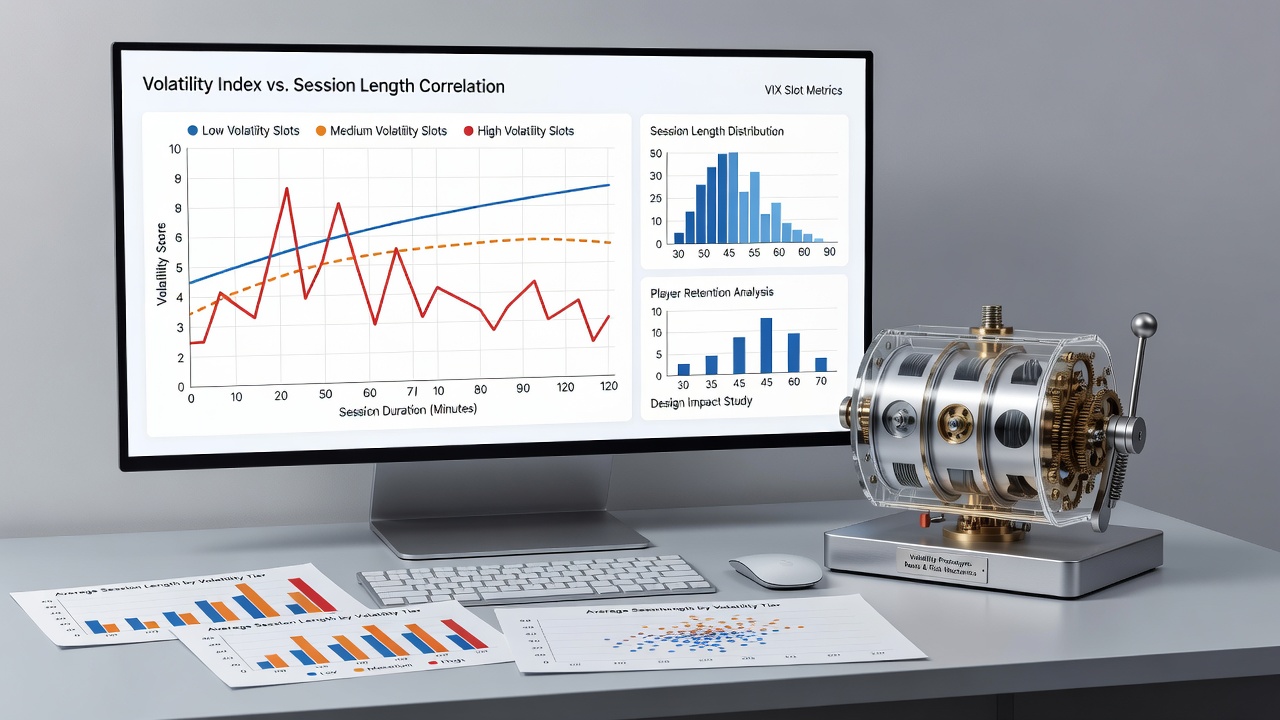
Multiple operator datasets demonstrate consistent relationships between volatility ratings and measured session lengths when controlling for denomination and time of day. High-volatility games show stronger retention during evening hours when players allocate larger bankrolls, while low-volatility options perform better during daytime traffic with shorter visit windows. Statistics released by the Alcohol and Gaming Commission of Ontario through its 2025 annual report list average session lengths of 31 minutes for index 3.0–5.0 machines compared with 67 minutes for index 8.0–10.0 machines across monitored venues. These patterns hold across different player demographics when aggregated at the property level, although individual results vary based on personal bankroll management strategies.
Regulatory and Industry Measurement Practices
Certification bodies require volatility index documentation as part of the game approval process, and several markets now publish these values alongside return-to-player percentages for consumer transparency. Industry groups such as the European Gaming and Betting Association compile aggregate reports that compare index distributions across European markets, revealing that Mediterranean jurisdictions host higher proportions of elevated-volatility titles than northern European venues. Analysts use these public figures to model expected session behaviors and assist operators with floor optimization. Continuous monitoring through electronic gaming systems supplies fresh data streams that allow real-time assessment of whether actual session lengths align with index-based predictions.
Conclusion
Volatility indexes serve as quantifiable design parameters that correlate with measurable differences in slot session lengths across regulated environments. Data from government agencies and academic institutions continue to map these relationships through large-scale operational records, and upcoming standardization efforts in 2026 will expand the available datasets for further analysis. Operators and researchers rely on these established connections when configuring game offerings and studying player engagement patterns.